

Relearn how to trust yourself.
Therapy for Relationship Patterns & Self-Trust in Burke, VA
Sound like you?
You’re thoughtful and self-aware, but you still find yourself second-guessing your feelings, decisions, and relationships. You may spend a lot of time trying to understand other people, keep the peace, or make sure everyone is okay, while losing track of what you actually want or need. You know you want healthier relationships and stronger boundaries, but figuring out how to trust yourself and stop falling into the same patterns can feel harder than it should.

You don’t have to keep losing yourself in the same patterns.
let’s make sense of it.
The way you respond in relationships didn’t come out of nowhere. Over time, you may have learned to keep the peace, anticipate other people’s needs, avoid conflict, or question your own instincts. Those patterns may have helped you navigate relationships in the past, but they don’t have to keep running the show. With the right support, you can understand what’s underneath them and begin responding in ways that feel more intentional and more like you.
How I can help
Imagine what it would feel like…
To say no without being weighed down by guilt afterward?
To have a difficult conversation without replaying it for days?
To know what you want instead of automatically looking to someone else for the answer?
To enter a relationship without getting caught in the same anxious loops, wondering where you stand or whether you’re doing something wrong?
You can care deeply about other people without taking responsibility for their feelings. You can set boundaries without feeling like you’ve done something wrong. You can trust your own judgment, stay connected to yourself in your relationships, and feel more confident about the choices you make.

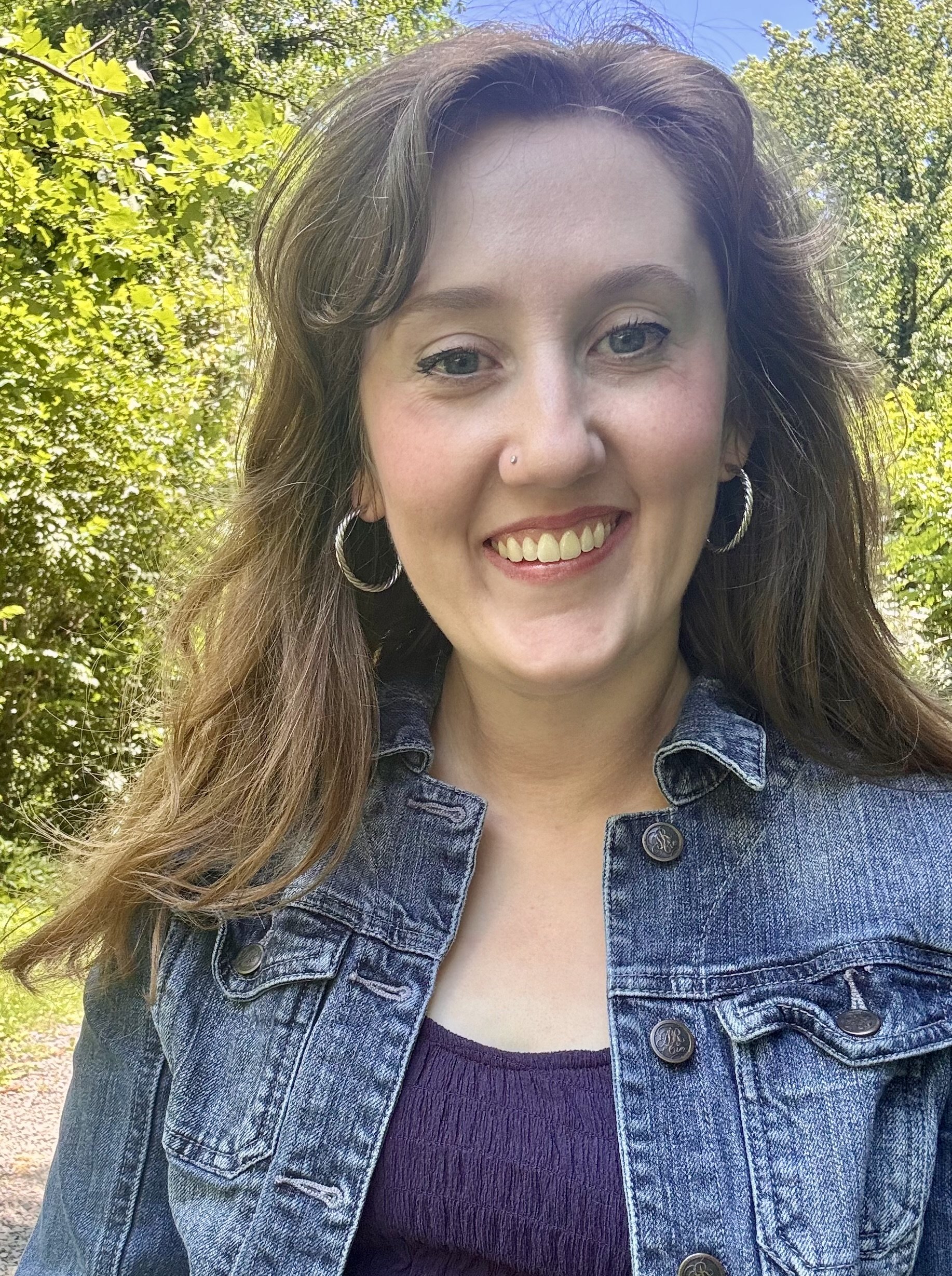
my approach to therapy
I don’t believe you can simply think your way out of relationship patterns.
If you’ve spent years overthinking, people-pleasing, avoiding conflict, or questioning yourself, there’s usually more going on beneath the surface. We’ll get curious about where these patterns came from and what happens for you when you feel rejected, uncertain, responsible for someone else’s emotions, or afraid of getting it wrong.
Our work will look at the whole picture, including your thoughts, emotions, body, relationships, and experiences that have shaped you. Depending on what you need, I may draw from attachment-based work, somatic approaches, CBT, DBT, IFS-informed therapy, or EMDR. The goal isn’t to become someone who never feels guilty, anxious, or uncertain. It’s to help you understand yourself well enough to respond differently when those feelings show up.
Questions? I’ve got answers.
Frequently asked questions —
-
No. These patterns can show up in dating relationships, friendships, family relationships, work relationships, and even in the way you relate to yourself. You don’t need to be partnered to work on people-pleasing, boundaries, self-trust, conflict, or patterns you’ve noticed across your relationships.
-
No. My role isn’t to tell you whether to stay, leave, set a particular boundary, or make any other relationship decision. Instead, I’ll help you slow things down, sort through what you’re feeling, clarify what you need and value, and understand the patterns that may be making it difficult to see things clearly. Together, we’ll build the self-trust and discernment skills you need to make your own decisions, including decisions about whether and how you want a relationship to continue.
-
-
Yes! Walk-and-Talk Therapy can be a great option if you find it easier to think, process, and talk while you’re moving. We can use that time to work on the same relationship and self-trust concerns you might bring into a traditional therapy session, just in a different setting.
-
Yes. Relationship patterns often have roots in earlier experiences, including experiences that shaped what you learned about yourself, other people, conflict, rejection, or emotional safety. EMDR can help you process those experiences so they have less influence over how you respond in your relationships today.
We can also use EMDR to work with the experiences and beliefs that show up underneath patterns like people-pleasing, difficulty setting boundaries, fear of conflict, or constantly questioning yourself. If EMDR seems like a good fit for what you’re working on, we’ll talk together about how it could fit into your therapy.