
a different way to do therapy.
Walk-and-Talk Therapy in Burke, VA
Maybe sitting across from someone in an office for an hour feels intimidating, uncomfortable, or simply not like you. Maybe you think more clearly when you're moving, feel restless sitting still, or have noticed that some of your best conversations happen while walking alongside someone rather than sitting face-to-face. Or maybe you're looking for a new way to get outside, move your body, and care for your mental health at the same time.
Walk-and-Talk Therapy gives you another option. We can take the work outside, get moving, and let the conversation unfold naturally.
You know you need something different out of therapy.
You’re ready to stop feeling…
Stuck in your head
Sometimes getting out of your head starts with getting your body moving.
Like therapy has to look a certain way
You don't have to sit perfectly still and know exactly what to say.
Like you're waiting for the right words
Walking side by side can make it easier to think out loud and let the conversation unfold.
Why choose Walk-and-Talk Therapy?
Sometimes it’s easier to talk when you’re moving.
Walk-and-Talk Therapy offers a different kind of space for therapy. Walking side by side can feel more natural and less formal than sitting across from someone, giving you room to think out loud, process what you’re feeling, and let the conversation unfold at its own pace.
-
If you think more clearly when you're moving, Walk-and-Talk gives you the freedom to move while we work. This can be especially helpful for clients with ADHD or anyone who finds sitting still makes it harder to focus and engage.
-
So much of daily life happens sitting indoors, whether you’re working at a desk, driving kids around, or moving from one obligation to the next. If you’re spending more time inside or sitting than you’d like, Walk-and-Talk gives you a chance to get outside and move while also taking care of your mental health. You can care for your mind and your body at the same time.
-
For some people, talking while walking feels more natural than sitting face-to-face in an office. There can be less pressure to make eye contact or come up with the perfect words, making it easier to think out loud and let the conversation unfold.

My Approach
The setting may be different, but the therapy is still therapy.
The setting may be different, but the work is still intentional psychotherapy. We’ll have goals for our work together, and I’ll use the same clinical judgment and therapeutic skills I would in an office-based session. What changes is the environment we’re working in and the opportunities that environment gives us.
Being outside can also give us access to things that don’t always come up when you’re sitting in a therapy room. We might notice how you respond to your surroundings, what happens in your body as you talk about something difficult, or how your thoughts shift as you move through the conversation. Those observations can become useful parts of our work.
I’ll meet you where you are that day. Some days you may have a lot to process and want to keep moving. Other days you may need to slow down, pause, or spend part of the session sitting. We can adjust the pace and structure of the session based on what makes sense for you.
Walk-and-Talk can also be incorporated into a broader course of therapy. You might choose to walk some weeks and meet virtually or in the office on others. The format can change as your needs change, while the therapeutic relationship and the work we’re doing together remain consistent.
What to Expect with Walk-and-Talk Therapy
SESSION LOCATION
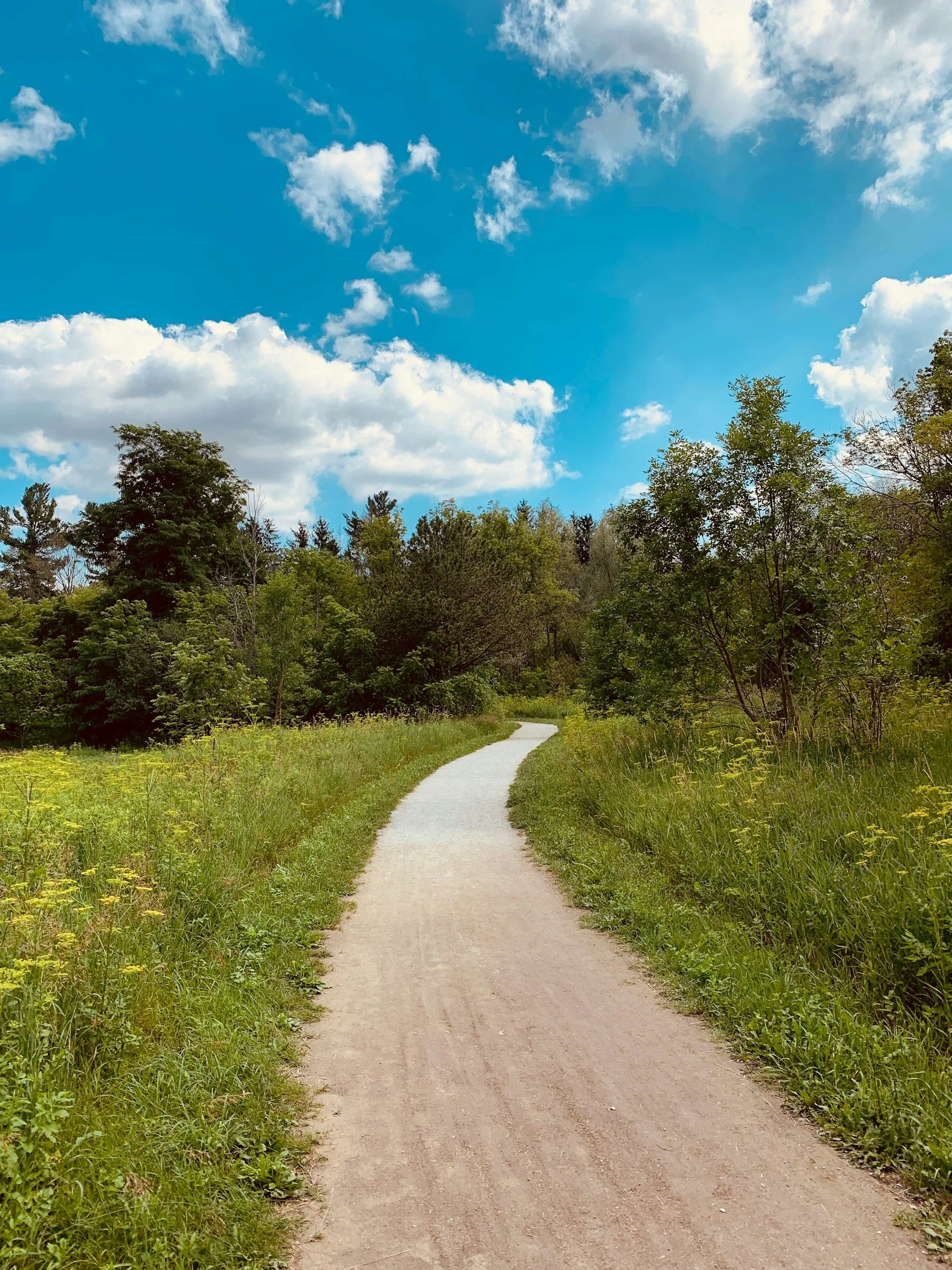
Sessions take place at predetermined outdoor locations in the Burke and Fairfax area. We’ll discuss the location ahead of time so you know where to meet.
BEFORE WE WALK
Before scheduling your first Walk-and-Talk session, we’ll meet for an initial intake either in the office or via telehealth. We’ll get to know each other, talk about what brings you to therapy, and determine together whether Walk-and-Talk is a good fit for you and the work you want to do.
COME AS YOU ARE
Wear comfortable clothes and shoes appropriate for walking and the weather. Bring whatever you’d normally bring to therapy. The goal is to make the experience feel natural and manageable, not like you need to prepare for a workout.
CHOOSE YOUR PACE
Walk-and-Talk is therapy that happens while you’re walking. It isn’t an exercise session, and you don’t need to be particularly active or physically fit. We’ll walk at a comfortable pace, and you can slow down, stop, or take a break whenever you need to.
Questions? I’ve got answers.
Frequently asked questions —
-
Walk-and-Talk sessions are available in 45- or 60-minute sessions. We’ll choose the length that makes the most sense for you and your therapy goals.
-
You’ll always have the option to switch your session to telehealth if the weather makes you uncomfortable, whether it’s especially hot, cold, rainy, or otherwise unpleasant. If conditions are unsafe for outdoor therapy, such as during extreme heat, severe storms, or other hazardous weather, I’ll let you know ahead of time and we’ll plan to meet virtually instead. You won’t need to choose between being uncomfortable outside and missing your therapy session.
-
No. Walk-and-Talk is flexible. We can slow down, stop, take a break, or sit for part of the session. You set the pace, and there’s no expectation that the session needs to feel like exercise.
-
Walk-and-Talk takes place in public outdoor spaces, so privacy is different from what you would experience in a private office. I’ll take reasonable steps to protect your confidentiality, but we can’t control who else may be nearby or whether someone recognizes you. We’ll talk about this before your first session so you can decide whether you’re comfortable with the format.
-
Absolutely. Walk-and-Talk can be part of a broader course of therapy. You might choose to walk some weeks and meet virtually or in the office on others, depending on your needs and what makes sense for the work we’re doing.